

Hands are incredibly complex and sensitive. Even a minor injury can lead to lost workdays, reduced efficiency, or permanent damage. Cuts, burns, chemical exposure, punctures, crush injuries, and dermatitis are among the most frequently reported workplace incidents.
Without proper protection, routine jobs such as handling metal sheets, operating machinery, or working with cleaning agents can become high risk. Safety gloves act as a barrier between the worker and the hazard, reducing the likelihood of injury while allowing the job to be completed efficiently.
Beyond injury prevention, proper gloves also:
Common Hand Hazards Across Industries
Different industries present different threats, but most hand injuries fall into several main categories.
1. Mechanical Risks
These include cuts, abrasions, punctures, and impacts. Workers in construction, metal fabrication, automotive, and warehousing frequently encounter sharp tools and rough materials.
2. Chemical Exposure
Laboratory staff, cleaners, painters, and manufacturing employees may handle acids, solvents, oils, and other hazardous substances that can burn or irritate the skin.
3. Thermal Hazards
High temperatures, sparks, molten materials, or extreme cold can damage unprotected skin. Foundries, welding operations, cold storage facilities, and food processing plants are common environments for these risks.
4. Biological Hazards
Healthcare workers and sanitation teams may be exposed to bacteria, viruses, or contaminated materials.
5. Electrical Risks
Specialized insulated gloves are required where live electrical work is performed.
Understanding the nature of these hazards is the first step in selecting effective hand protection.
Types of Industrial Safety Gloves
No single glove can protect against every danger. Employers must match the glove material and design to the task.
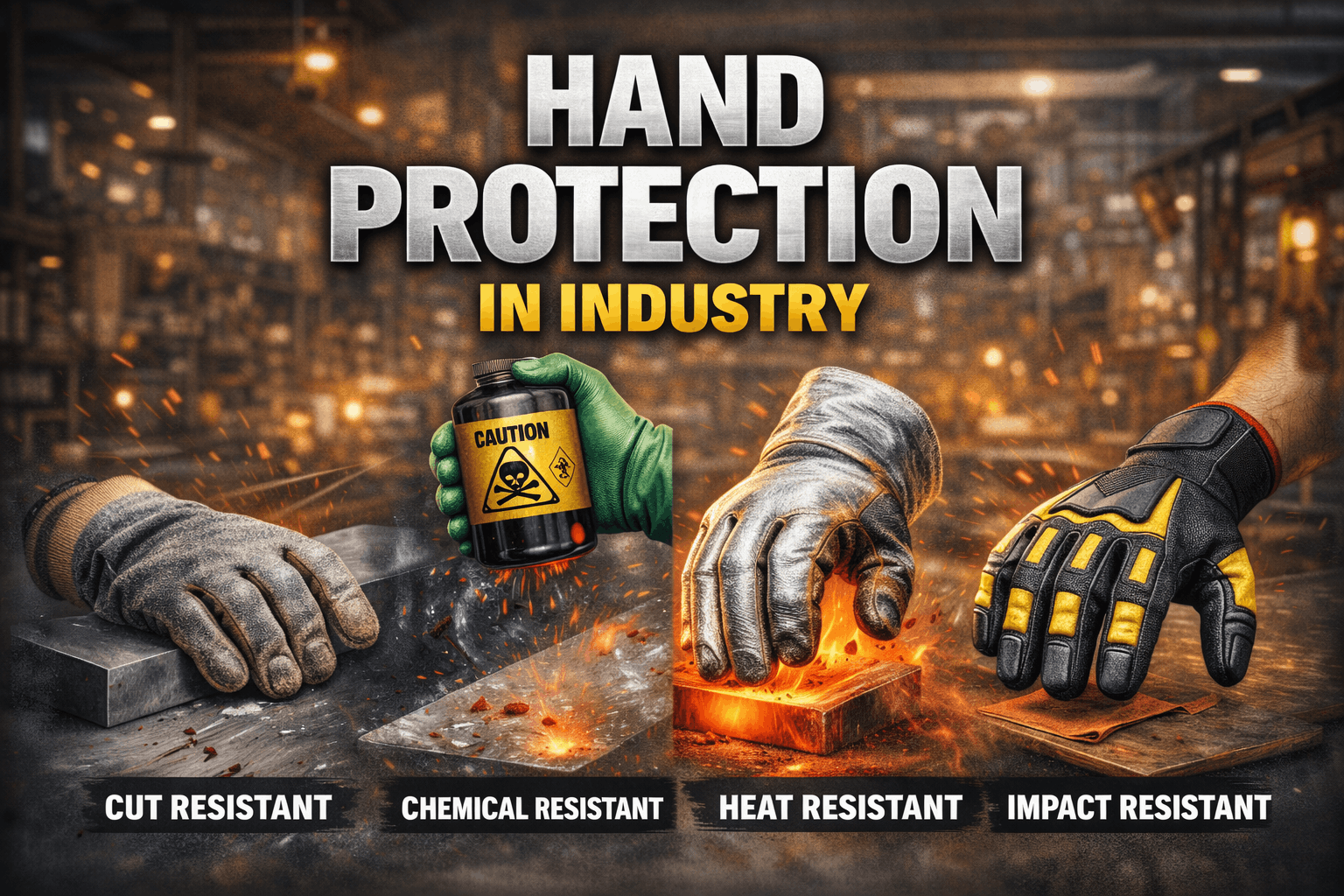
Cut-Resistant Gloves
Made from fibers such as HPPE, Kevlar, or steel mesh, these gloves protect against blades and sharp edges while still allowing dexterity.
Chemical-Resistant Gloves
Common materials include nitrile, latex, neoprene, and PVC. Each provides varying levels of resistance depending on the chemical being handled.
Heat-Resistant Gloves
Designed with insulating layers, aluminized surfaces, or leather, they protect from burns and high temperatures.
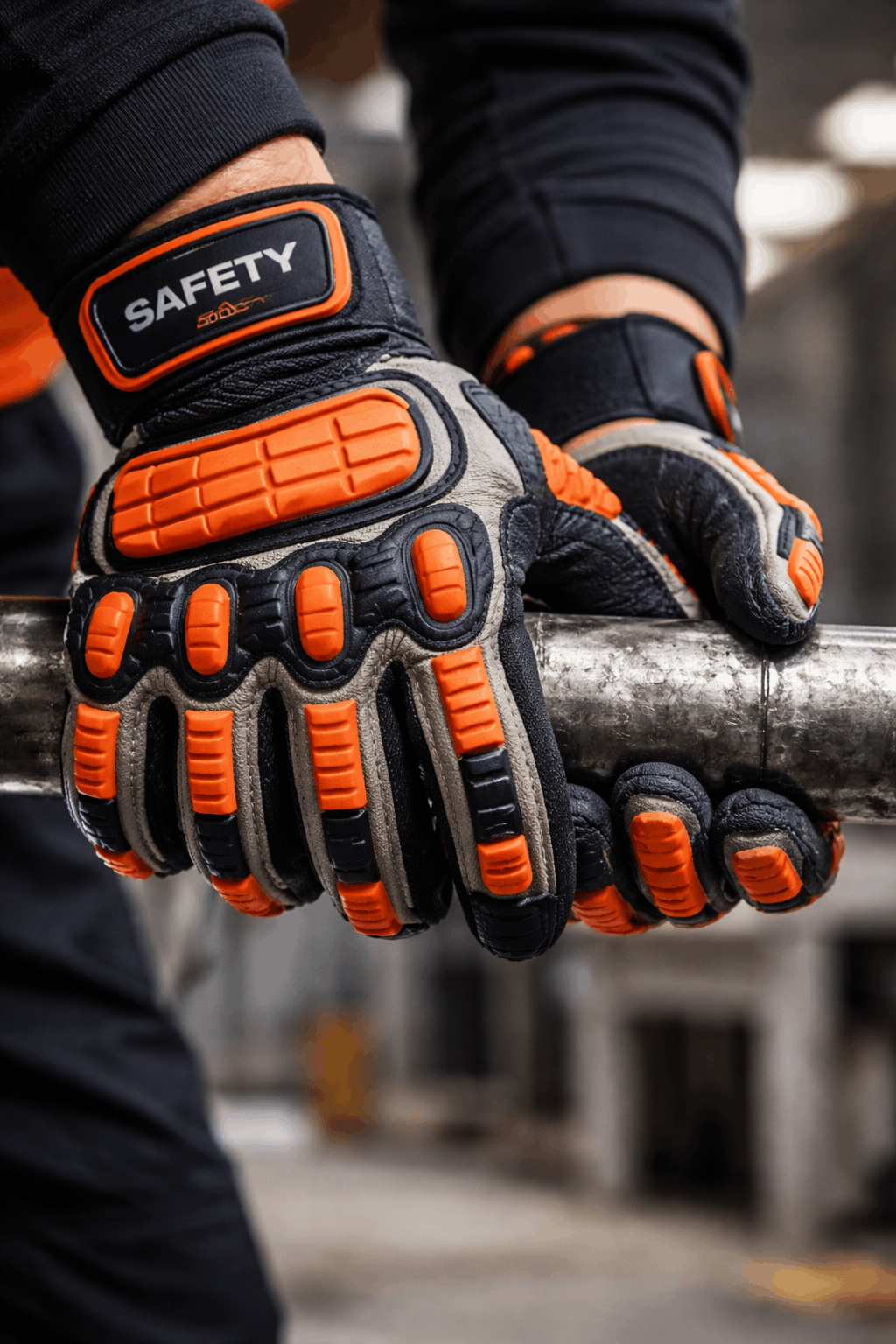
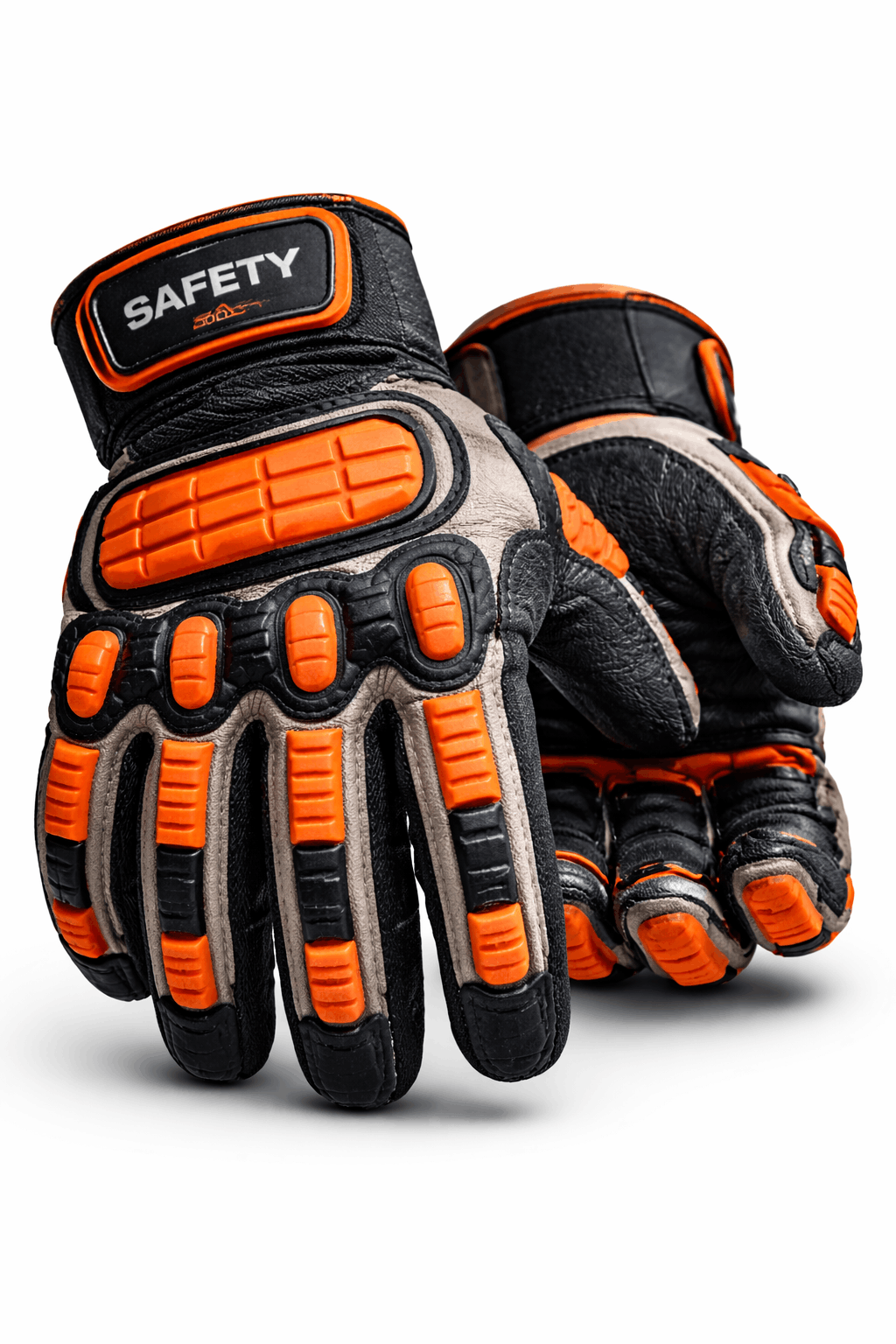
Impact-Resistant Gloves
Often equipped with reinforced padding or thermoplastic rubber (TPR), these gloves shield the knuckles and fingers from heavy blows.
Disposable Gloves
Used widely in healthcare, food service, and laboratories, they prevent contamination and are replaced frequently.
General-Purpose Work Gloves
Typically made from leather or coated fabrics, these are suitable for light to medium tasks.
How to Choose the Right Safety Gloves
Selecting gloves should never be an afterthought. A poor choice can create new hazards, reduce productivity, or cause discomfort that leads workers to remove them.
Here are key factors to consider:
Risk Assessment
Identify the exact hazards involved. Are workers exposed to sharp edges, chemicals, extreme heat, or vibration? Gloves must match the highest risk present.
Fit and Comfort
Gloves that are too tight reduce circulation and cause fatigue. Loose gloves can slip or get caught in machinery. Proper sizing is crucial.
Dexterity Requirements
Tasks involving fine motor skills require thinner, flexible gloves, whereas heavy-duty jobs may prioritize protection over precision.
Grip
Wet, oily, or dry conditions influence which coatings or textures will provide the best control.
Durability
Frequent replacement increases costs. Choose gloves designed to withstand the working environment.
Compliance
Ensure gloves meet relevant safety standards and certifications required in your region or industry.
Training and Proper Usage
Even the best gloves will fail if workers don’t use them correctly. Training should include:
Encouraging employees to report wear and tear helps maintain consistent safety levels.
Maintenance and Storage
Reusable gloves should be cleaned according to manufacturer instructions and stored away from sunlight, chemicals, or extreme temperatures. Damaged gloves should be discarded immediately. A clear replacement policy ensures no one works with compromised PPE.
The Business Benefits of Quality Hand Protection
Investing in high-quality gloves is not just about safety—it’s also smart business. Fewer injuries mean lower compensation claims, reduced downtime, and improved morale. Workers who feel protected are more productive and engaged.
Additionally, companies with strong safety records often enjoy better reputations and improved relationships with clients and regulators.

enhanced efficiency
Robotics streamline complex tasks, reducing production time and minimizing downtime, which leads to higher output and faster delivery.

improved precision and quality
Robotics streamline complex tasks, reducing production time and minimizing downtime, which leads to higher output and faster delivery.

increased flexibility
Robotics streamline complex tasks, reducing production time and minimizing downtime, which leads to higher output and faster delivery.

safety and risk reduction
Robotics streamline complex tasks, reducing production time and minimizing downtime, which leads to higher output and faster delivery.
Planning & strategy
Our Industrial Automation and Robotics planning and strategy services focus on designing tailored automation solutions that align with your business goals.
- needs assessment
- Timeline and Milestones
- Feasibility and ROI
- Technology Selection
- Process Optimization
- Scalability Planning
Frequently asked questions
We implement rigorous quality control measures at every stage of production, ensuring consistency and high standards.
We implement rigorous quality control measures at every stage of production, ensuring consistency and high standards.
We implement rigorous quality control measures at every stage of production, ensuring consistency and high standards.
We implement rigorous quality control measures at every stage of production, ensuring consistency and high standards.
We implement rigorous quality control measures at every stage of production, ensuring consistency and high standards.